The Hellenic Data Protection Authority (HDPA) successfully concluded its international online workshop, held on 4 November and entitled “The byRisk Project: Key Results and Outcomes”. The workshop presented the main achievements of the byRisk project, funded by the European Union’s Citizens, Equality, Rights and Values (CERV) Programme.
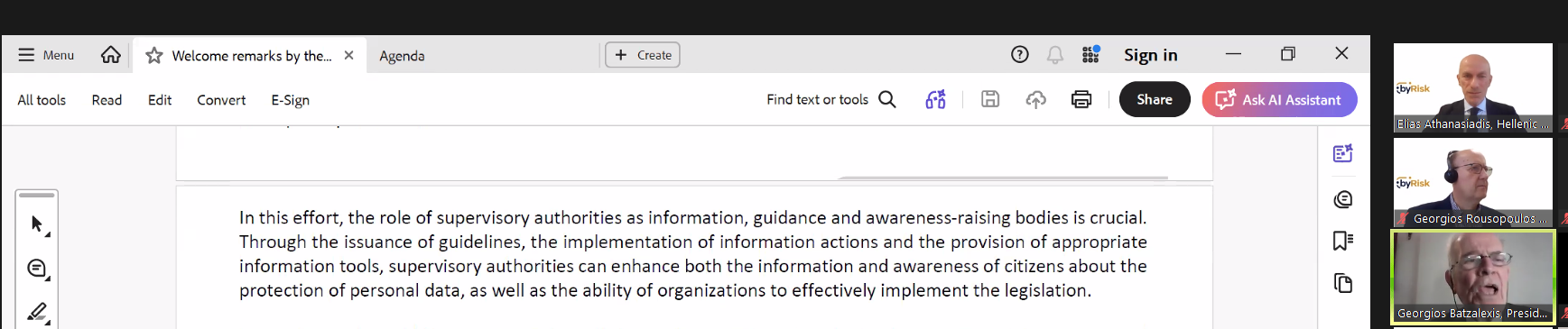
Following a brief welcome to the participants, Dr Elias Athanasiadis, Head of Communications and Public Relations of the Hellenic DPA invited the President of the Authority Honorary Judge of the Supreme Court, George Batzalexis to officially open the workshop. In his opening remarks, President Batzalexis highlighted the workshop’s aim of fostering meaningful dialogue and the exchange of good practices, emphasizing the role of Data Protection Authorities in developing solutions that bring tangible benefits to society and businesses. He further stressed that “the General Data Protection Regulation (GDPR) delivers real value when citizens are aware of their rights, organisations understand their obligations and everyone has the appropriate tools to make informed, risk-based decisions”. As he noted, “awareness is not merely an additional element of data protection; it is a prerequisite for its effective implementation”.
In his introductory remarks, Dr George Rousopoulos, Acting General Director of the Hellenic DPA, emphasized that “one of the Authority’s commitments is to make data protection more practical, accessible and effective”. He also pointed out that “the real challenge lies in translating the GDPR’s principles and requirements into everyday practices, tools and decisions”. Referring to the initiatives developed by the HDPA over the past six years – byDesign, byDefault, byRisk and the new byTrust initiative – he underlined the Authority’s ambition “to ensure that data protection is not perceived merely as a legal obligation, but as an integral part of responsible organisational practices and technological development. Ultimately, trust is built not only through rules, but also through their meaningful implementation”.
- Session 1 – The byRisk Project
-
The first session, moderated by Dr Vasilis Zorkadis, former General Director, Hellenic DPA focused on the byRisk project, its risk taxonomy, the tools developed and the associated training and awareness-raising activities.
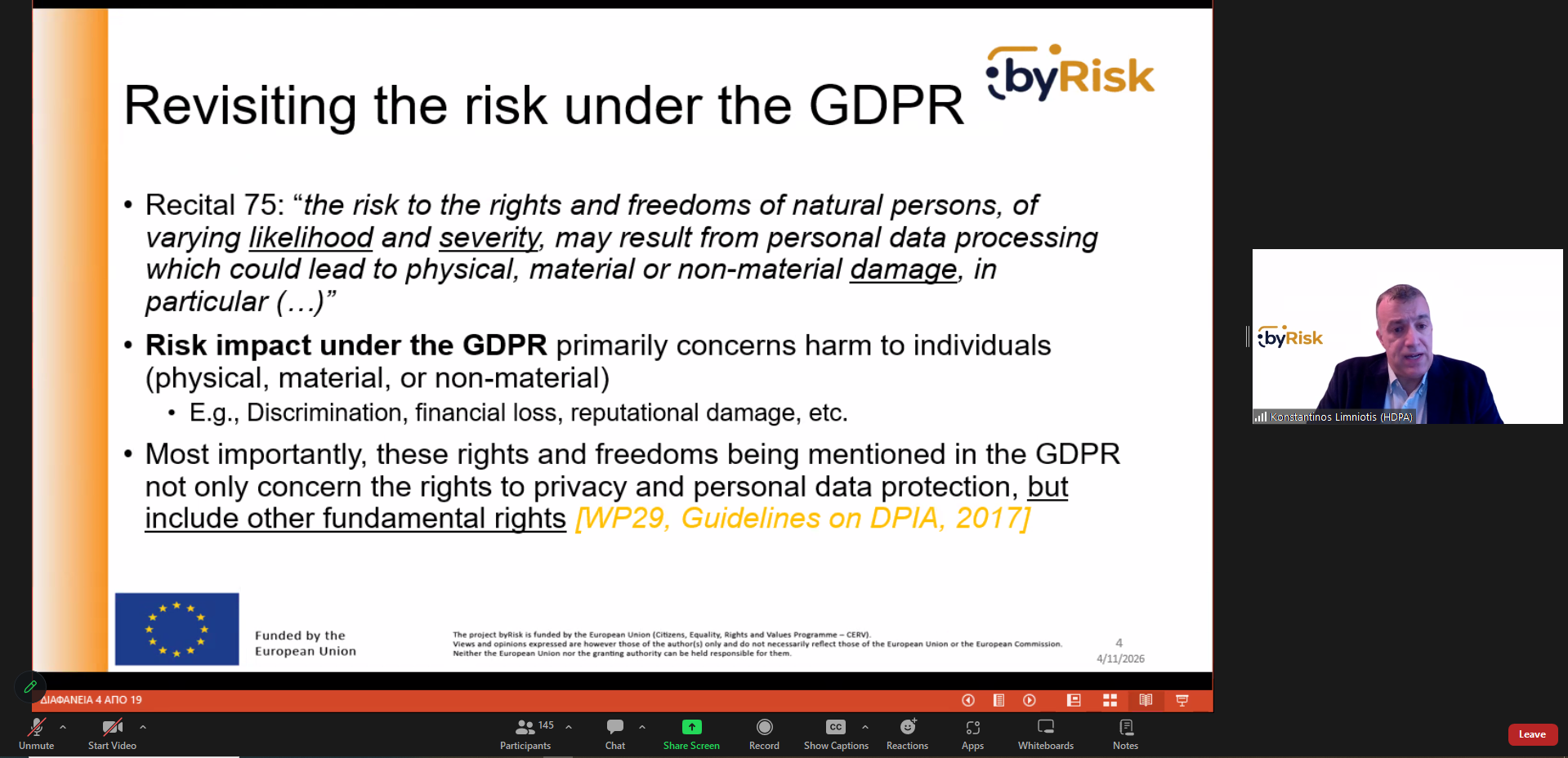
Dr Konstantinos Limniotis, Head of the Research and Studies Department of the HDPA, opened the session with his presentation entitled “The Wide Notion of Risk – A New Taxonomy”. He explained that “defining data protection risks is challenging, as existing methodologies and taxonomies adopt different approaches, sometimes equating risks with threat events or focusing primarily on security issues”. He also noted that “to address these limitations, the byRisk project developed a new four-level risk taxonomy focusing on potential harm to individuals arising from improper personal data processing and the fundamental rights that may be affected, extending beyond privacy and data protection. The taxonomy also considers risks associated with AI-based systems”.
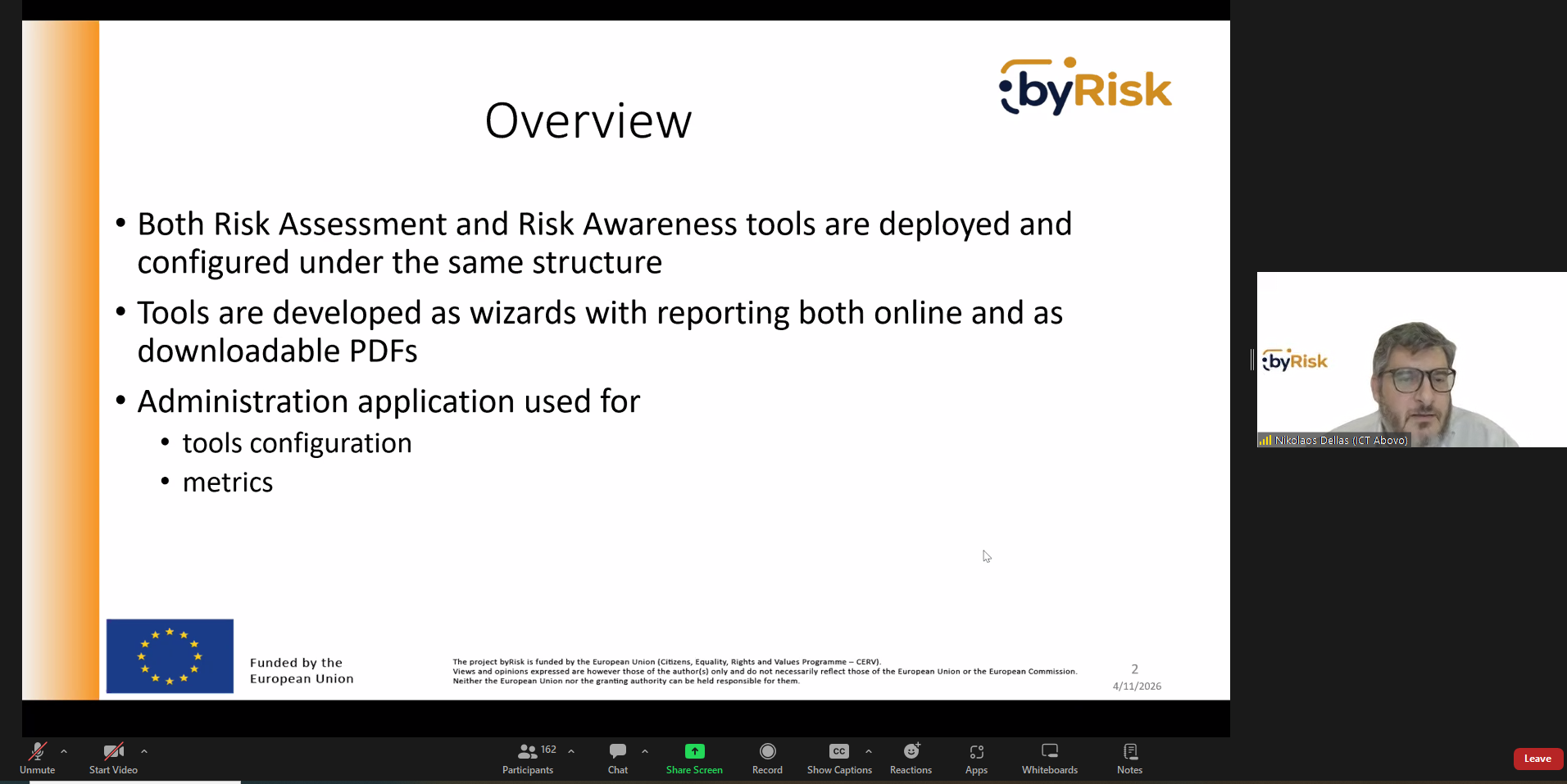
Next, Dr Nikos Dellas, representing ICT Abovo, presented “Design and Development of the byRisk Tools”, highlighting the key functionalities of the Risk Awareness and Risk Assessment tools. He demonstrated the complete end-user workflow, covering the selection of use cases and real-life scenarios, as well as the generation of detailed reports, available both online and in downloadable PDF format. The presentation also focused on the administration application, showcasing its extensive configuration capabilities, multilingual support and content management features, which enable the flexible management and customization of both tools.
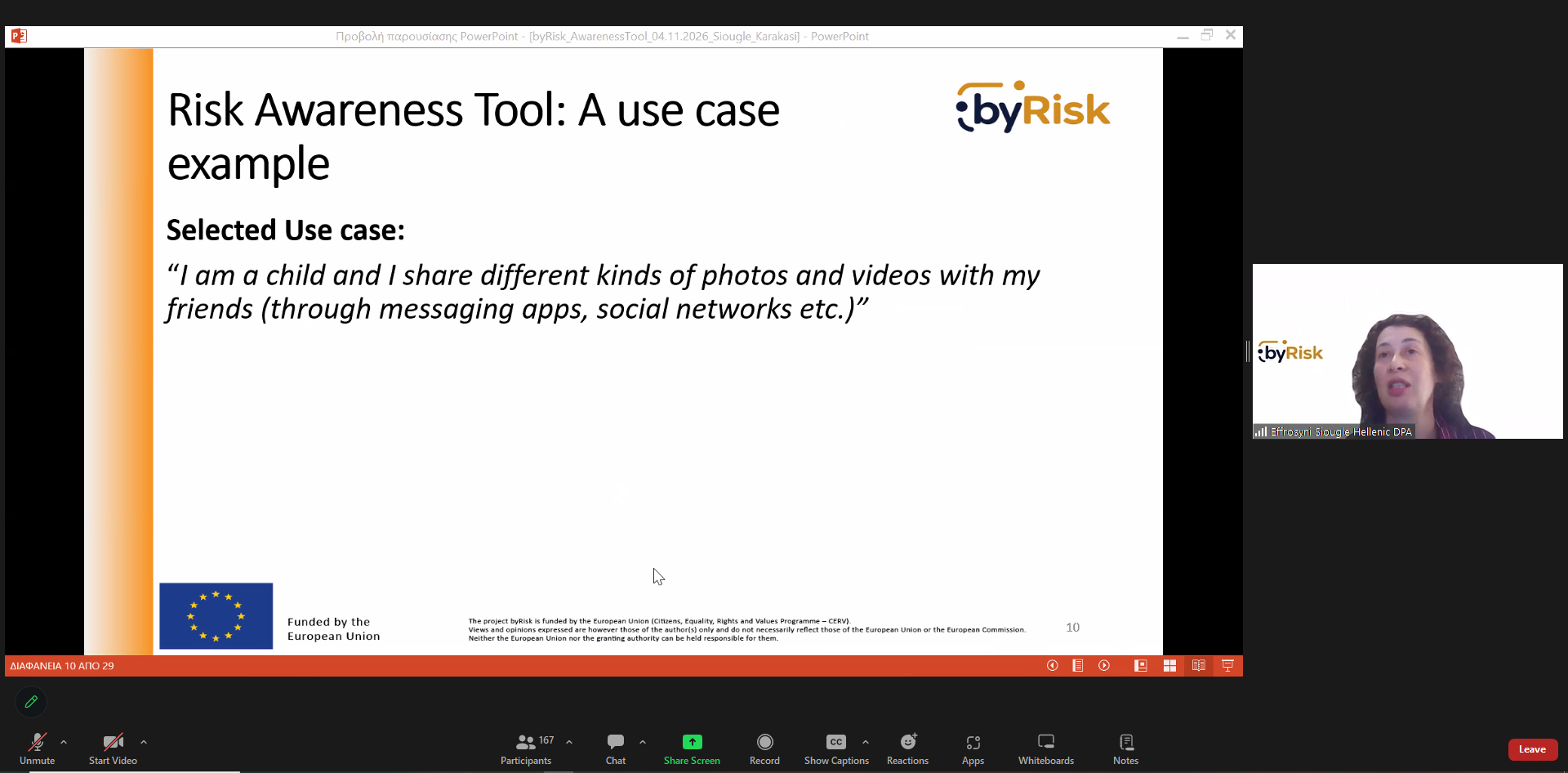
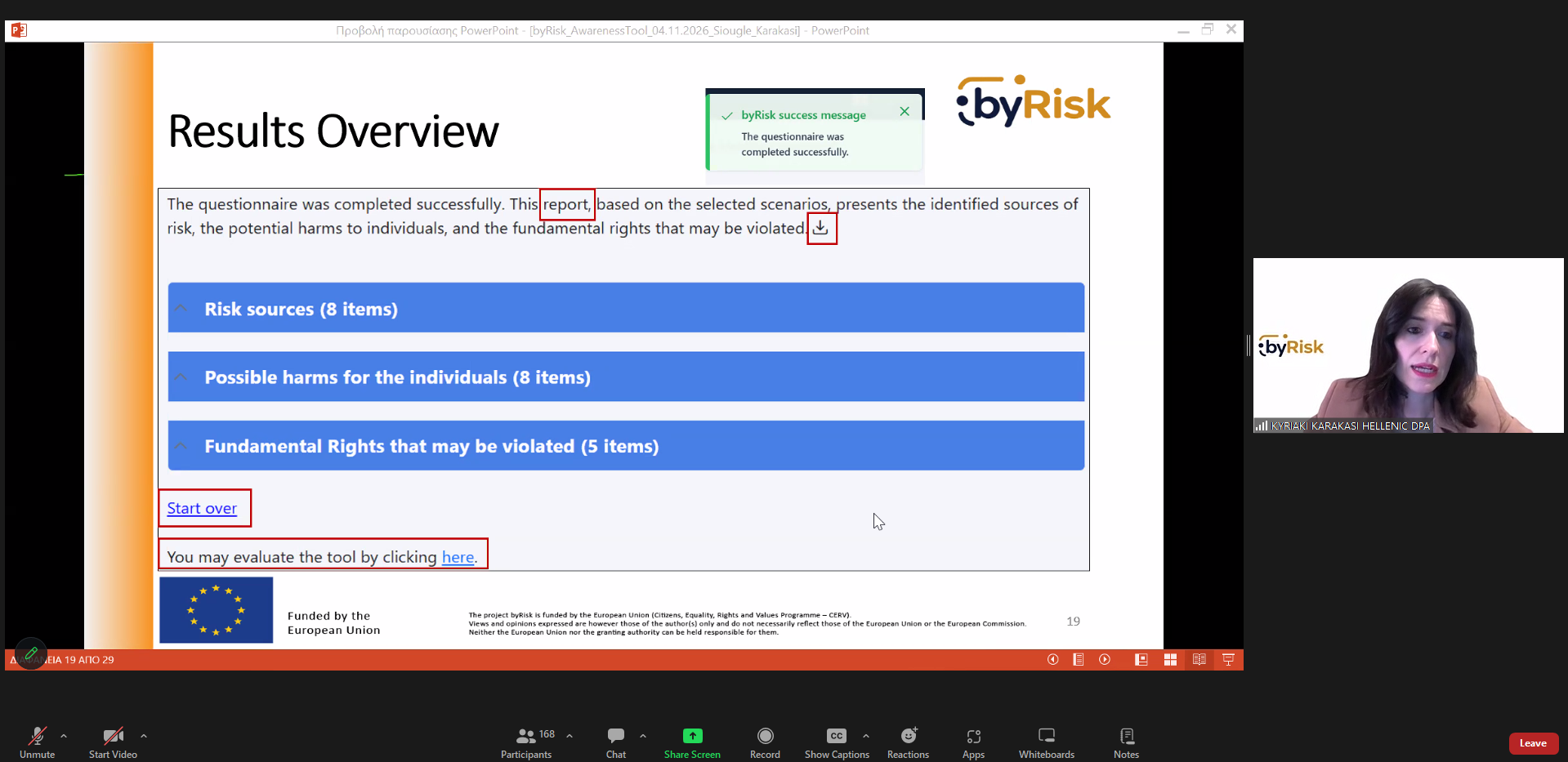
In their presentation entitled “Demonstration of the (by)Risk Awareness Tool for the General Public”, Dr Efrosini Siougle, Head of the Advisory and Compliance Department of the HDPA, and Kyriaki Karakasi, Legal Specialist at the HDPA, introduced the interactive and user-friendly tool designed to raise public awareness of the potential risks associated with personal data processing. Through real-life scenarios, users can explore different sources of risk, understand the potential harm arising from them and identify the fundamental rights that may be affected. The presentation included a practical demonstration, illustrating how users can select relevant scenarios, complete a tailored questionnaire and receive clear, detailed and explainable assessment results, accompanied by a downloadable PDF report.
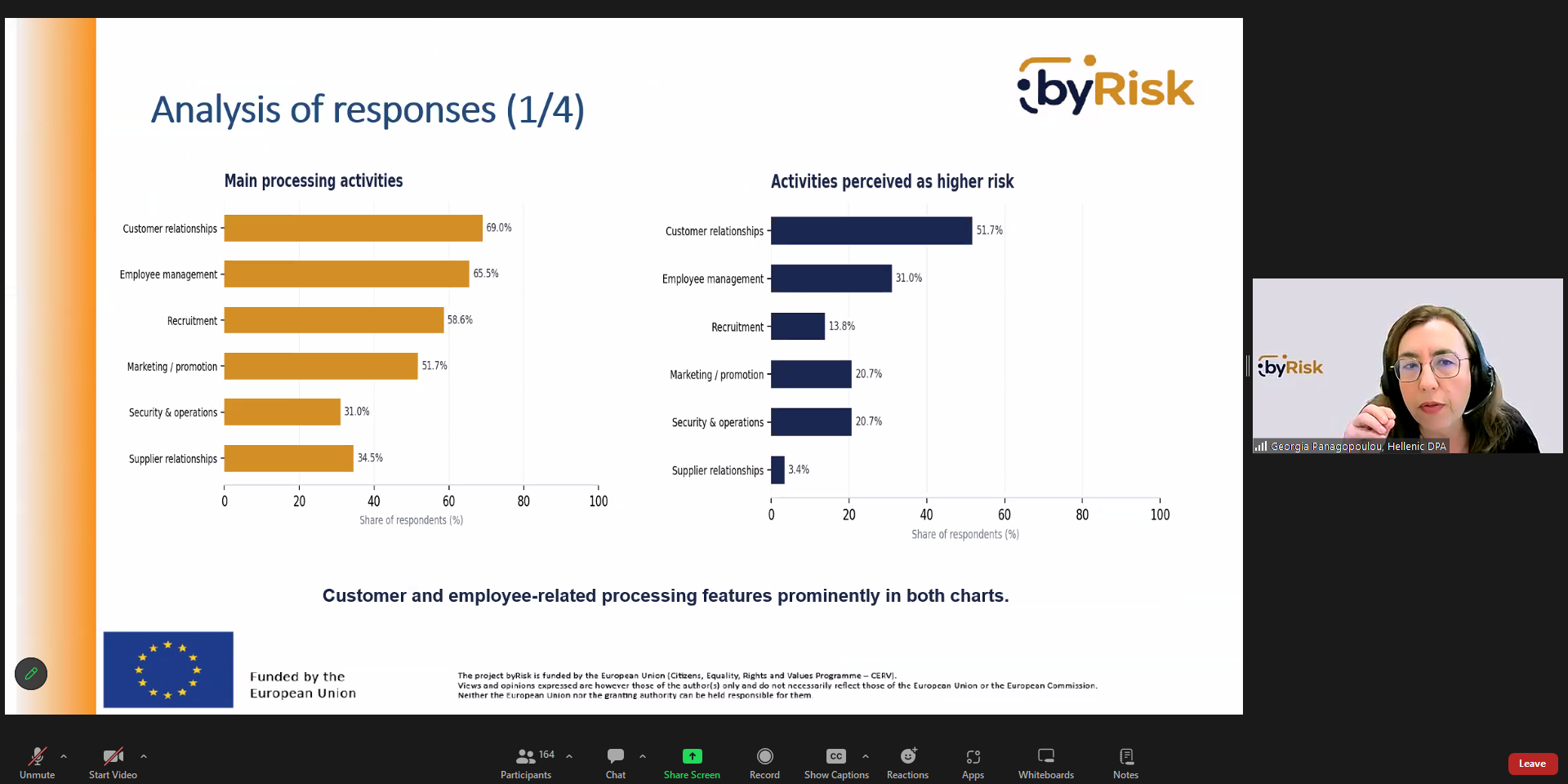
Ms Georgia Panagopoulou, Head of the Audits and Security Department of the HDPA, delivered a presentation entitled “Demonstration of the (by)Risk Assessment Tool for SMEs”. Drawing on structured questionnaires addressed to SMEs, she highlighted the limited use of risk assessment tools and methodologies among smaller businesses, as well as the need to improve their understanding of the potential impact of personal data processing on individuals, including privacy violations and loss of control over personal data. She also outlined the main specifications and features identified for the risk assessment tool. Through two practical examples, she demonstrated its operation and practical application, highlighting its contribution to identifying and assessing risks and their potential impact on individuals’ fundamental rights.
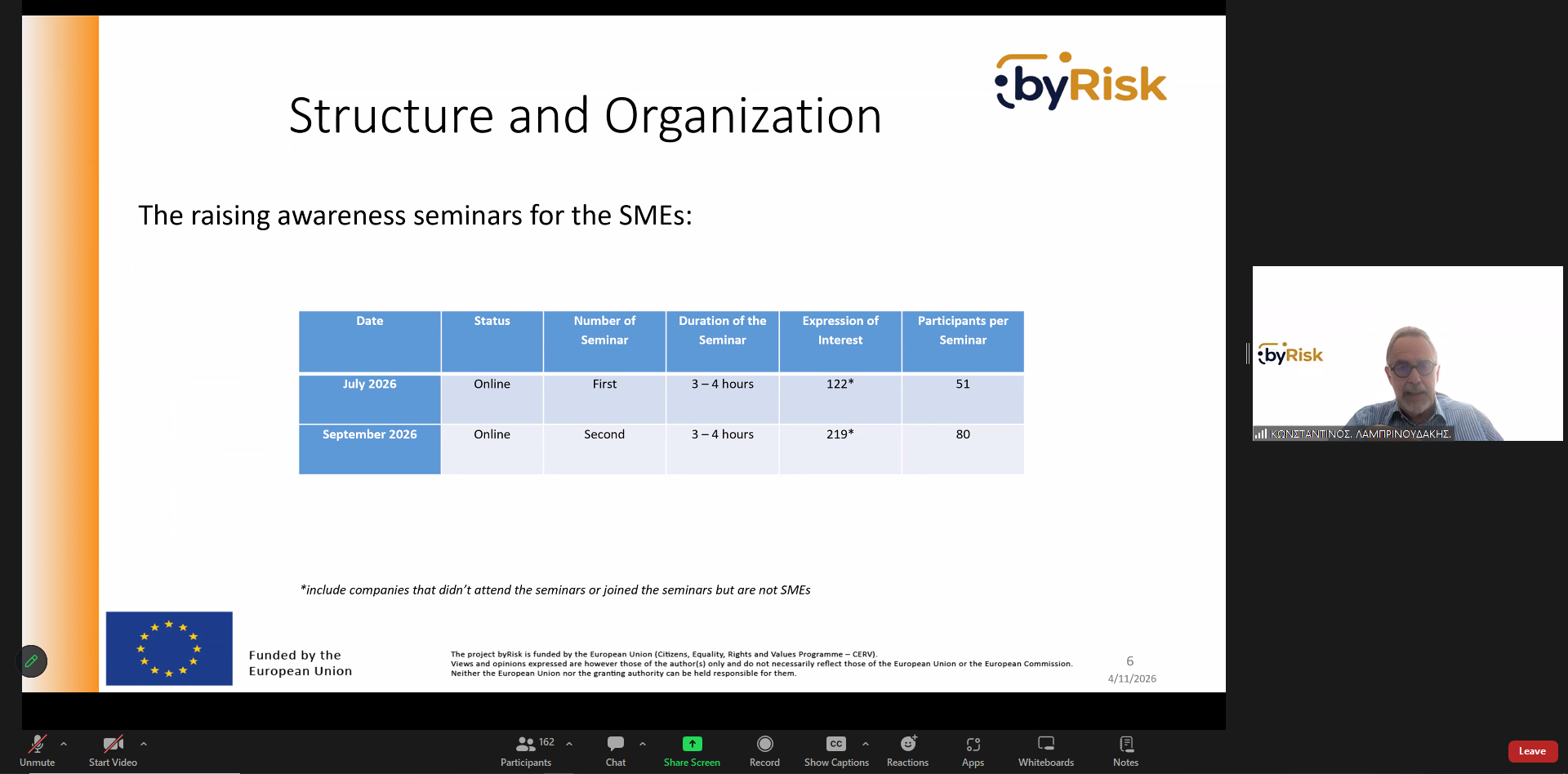
The session concluded with a presentation by Costas Lambrinoudakis, Professor of Digital Systems at the University of Piraeus and Member of the HDPA, entitled “Training Programmes and Assessment of the Tools”. Referring to the project's awareness-raising and educational activities, he noted that “ten online training seminars had been organised, attracting more than 650 participants, including citizens, students, ICT professionals and representatives of small and medium-sized enterprises. The seminars aimed to strengthen participants’ understanding of privacy and personal data protection risks and promote informed decision-making regarding personal data processing”. He further pointed out that “the initial evaluation results indicated high levels of satisfaction and recognition of the usefulness of the training activities. Meanwhile, the assessment of the functionality, usability and effectiveness of the newly developed tools in raising awareness of personal data protection risks is ongoing”.
- Session 2 – International Experience: Other Initiatives (Part I)
-
The second session, entitled “International Experience – Other Initiatives (Part I)”, began with the presentation “DAAZ & LEONORA: Building Digital Competences for a Trusted Digital Society” by Jérôme Commodi, Head of Digital Literacy at the National Commission for Data Protection (CNPD) of Luxembourg. He presented two innovative Privacy and Compliance Enhancing Technologies designed to make data protection more practical, accessible and engaging. Mr Commodi noted that “DAAZ demonstrated how SMEs can progress towards GDPR compliance through storytelling, gamification and immersive learning. LEONORA showcased a comprehensive educational ecosystem, including webtoons, serious games and digital learning tools, aimed at strengthening young people's digital literacy and awareness of online risks. Together, these initiatives illustrated how innovation and education can empower organisations and citizens in the digital age”.
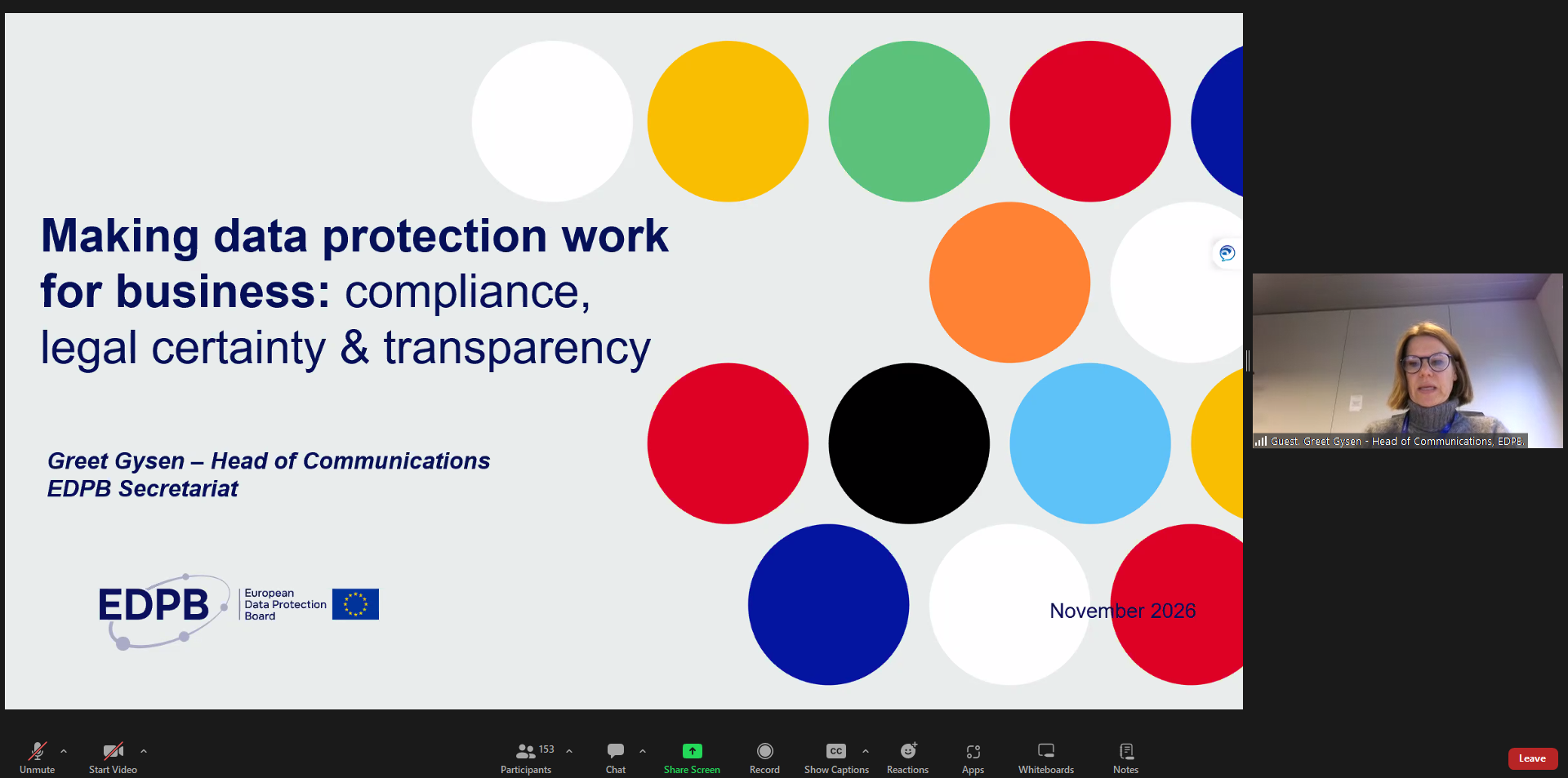
Greet Gysen, Head of Sector for Information and Communications at the European Data Protection Board (EDPB), then delivered a presentation entitled “Making Data Protection Work for Business: Compliance, Legal Certainty and Transparency”. She analyzed the EDPB’s initiatives to support both large and smaller organizations in meeting data protection requirements. In this context, she highlighted the EDPB’s efforts to make GDPR compliance more accessible through the development of tools, templates and guidance tailored to organizations’ needs, including those of small businesses. These initiatives include the Data Protection Guide for Small Businesses, available in 21 languages, and the Guidelines at a Glance series, which provides concise summaries of key guidelines. She also highlighted “the EDPB’s efforts to enhance legal certainty and consistency in the application of data protection rules across the EU, while strengthening cooperation with other regulatory authorities in the evolving EU cross-regulatory landscape”. Ms Gysen emphasized that “stakeholder engagement and consultation remain central to promoting transparency and ensuring that EDPB guidance reflects organizations’ needs”.
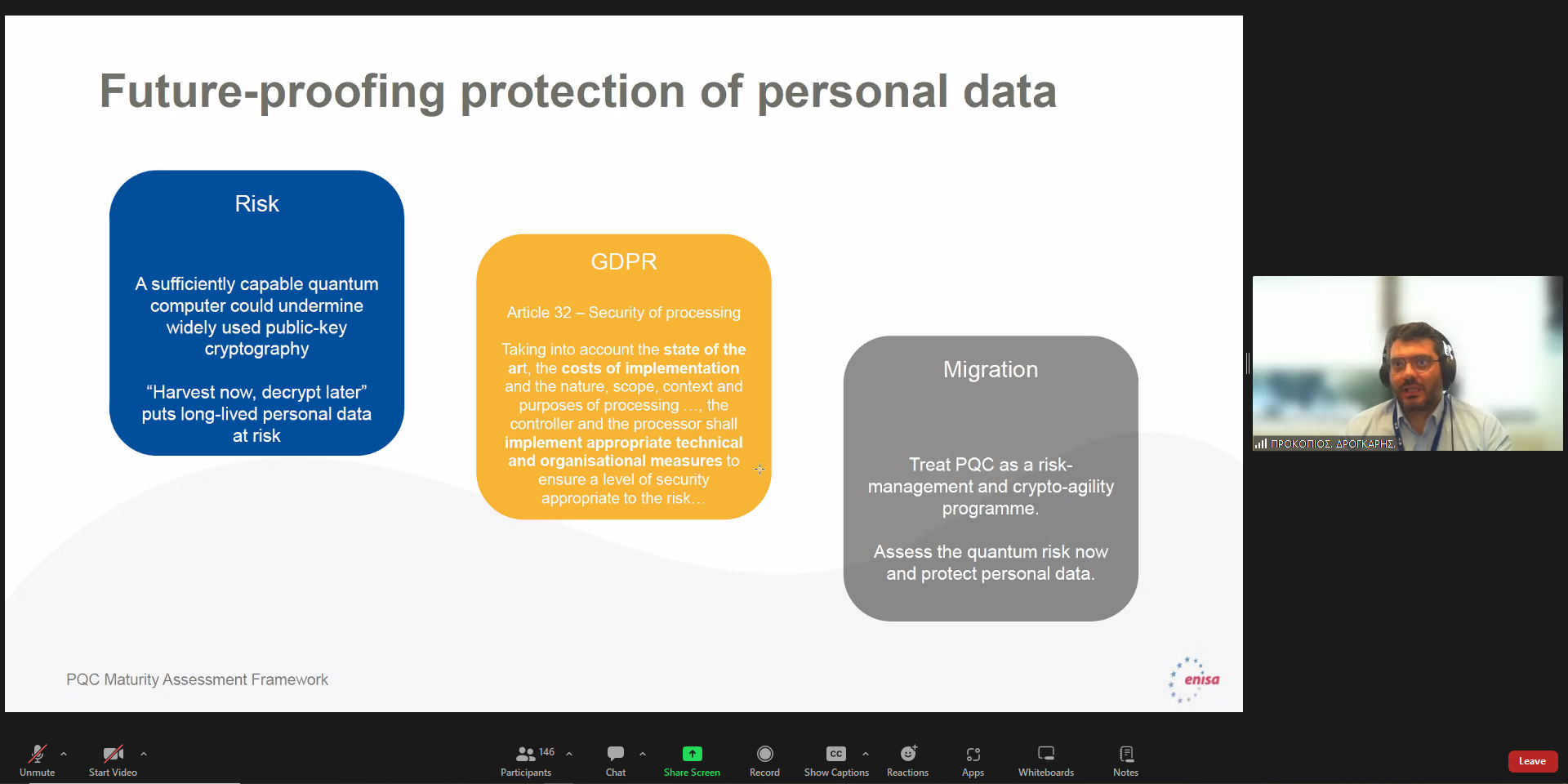
Next, Dr Prokopios Drogaris, Cybersecurity Expert and Deputy Data Protection Officer at the European Union Agency for Cybersecurity (ENISA), presented “Post-Quantum Computing Maturity Assessment for SMEs”, highlighting the implications of advances in quantum computing for data protection and cybersecurity. He underlined the connection between Post-Quantum Cryptography (PQC) and the GDPR, particularly Article 32 and its requirement to take into account the state of the art when implementing appropriate security measures. Dr Drogaris also presented a practical self-assessment tool designed to help SMEs evaluate their readiness for the transition to post-quantum cryptography, identify areas for improvement and plan their migration journey.
The session was coordinated by Dr Elias Athanasiadis (HDPA).
- Session 3 – International Experience: Other Initiatives (Part II)
-
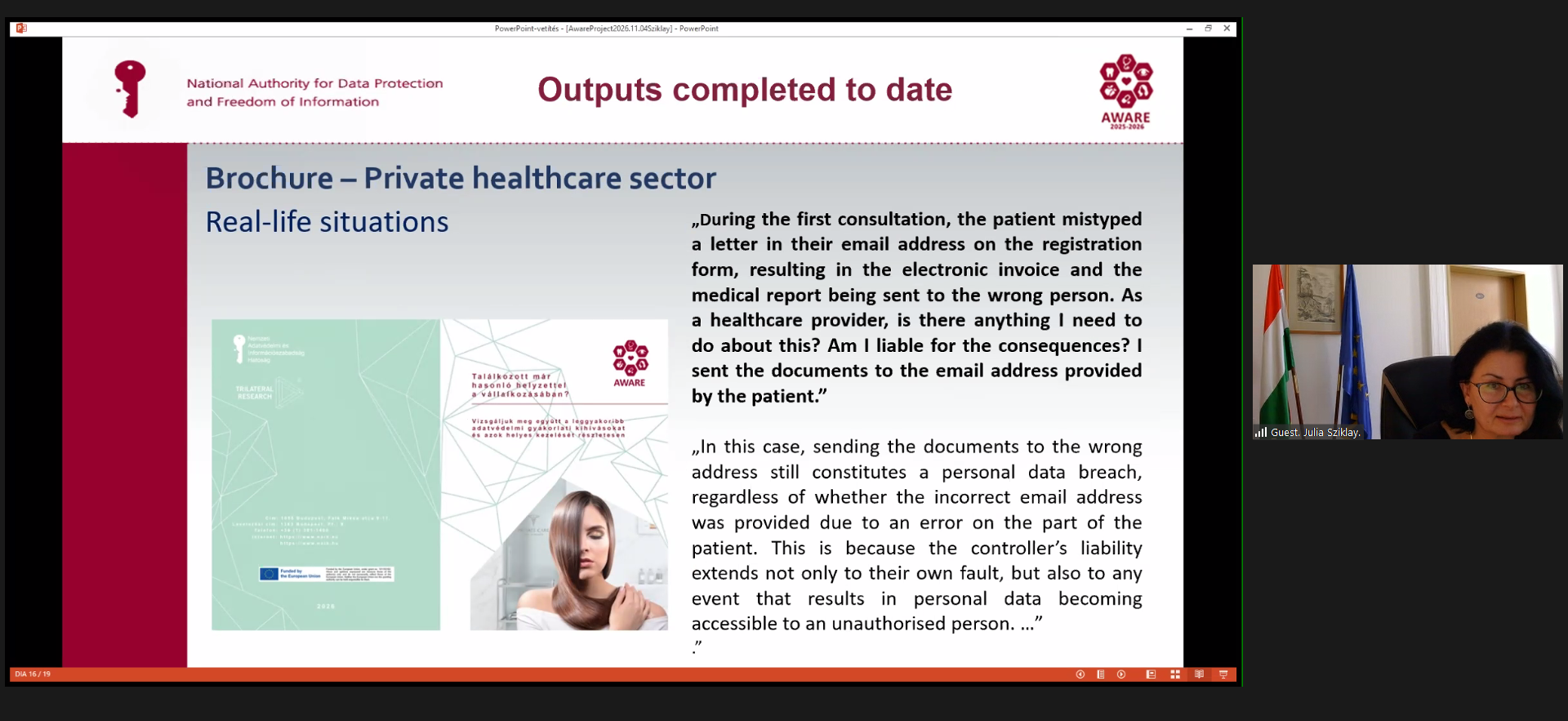
The third session, entitled “International Experience – Other Initiatives (Part II)” and moderated by Dr George Rousopoulos (HDPA), opened with the presentation “SME-related Activities of the Hungarian Data Protection Authority” by Dr Julia Sziklay, Vice-President of the Hungarian Data Protection Authority and Coordinator of the AWARE Project. She highlighted the importance of tailored GDPR awareness initiatives for Hungarian micro-enterprises. Dr Sziklay, stressed that “the AWARE project focuses on improving data protection knowledge and compliance, particularly in the beauty and private healthcare sectors, through practical guidance, educational materials and real-life examples”. She also noted that “awareness of data protection requirements differs significantly between these sectors. Private healthcare businesses generally demonstrate greater GDPR awareness, whereas businesses in the beauty sector often lack adequate documentation, privacy notices and formal security measures. These findings underline the need for further education and practical support to promote a proactive data protection culture”.
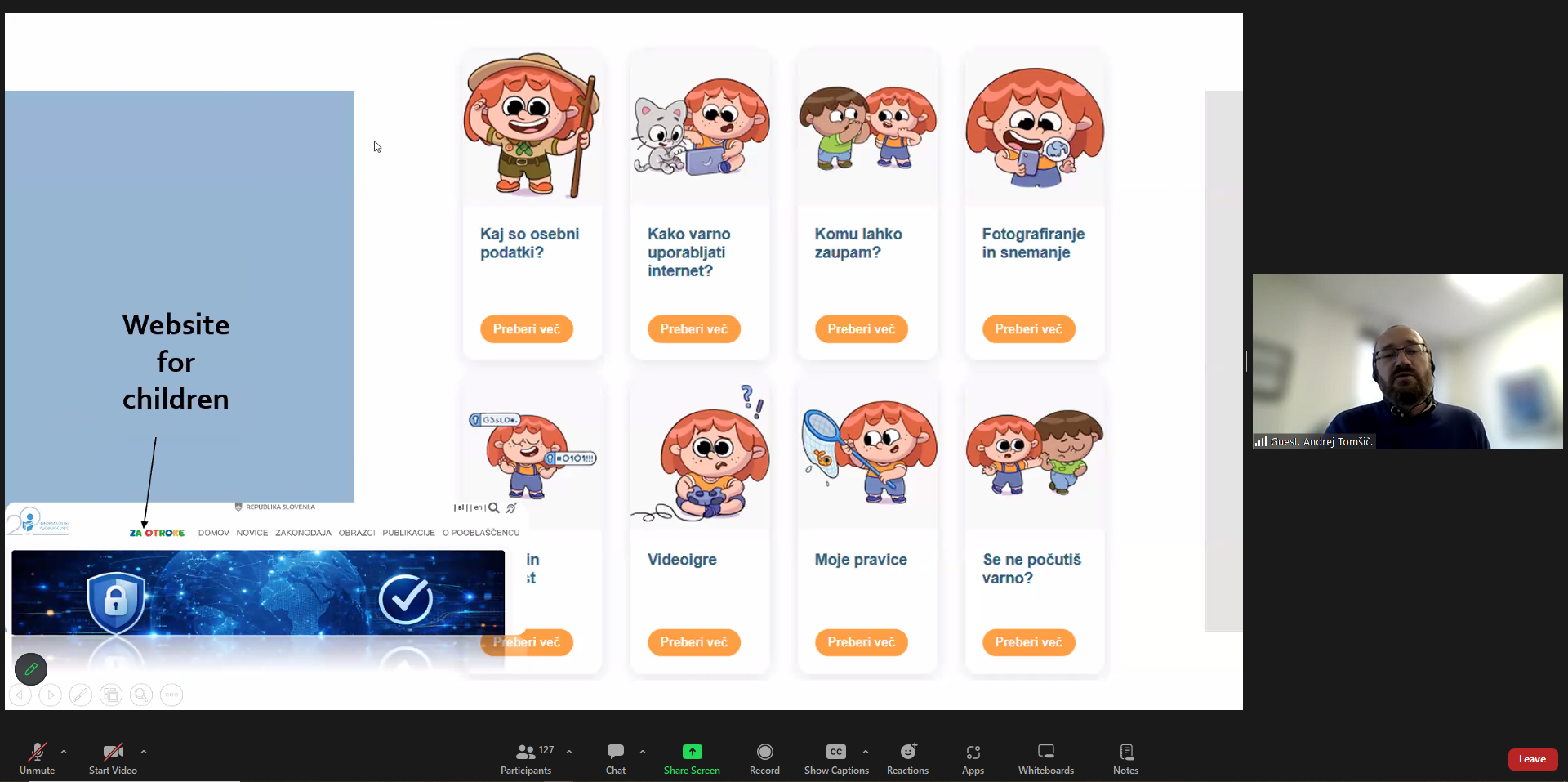
Andrej Tomšič, Deputy Information Commissioner of the Republic of Slovenia, in his presentation of PrivacyPRO Project, stressed that “raising awareness on privacy and data protection in digital world among children and youth requires novel approaches that were effectively explored in PrivacyPRO project, delivered by the Information Commissioner of Slovenia.” He also pointed out that “PrivacyPRO deliverables, most notably the board game, short reels, cartoons and trainings for teachers have proven a successful way to deliver key messages to target audiences”.
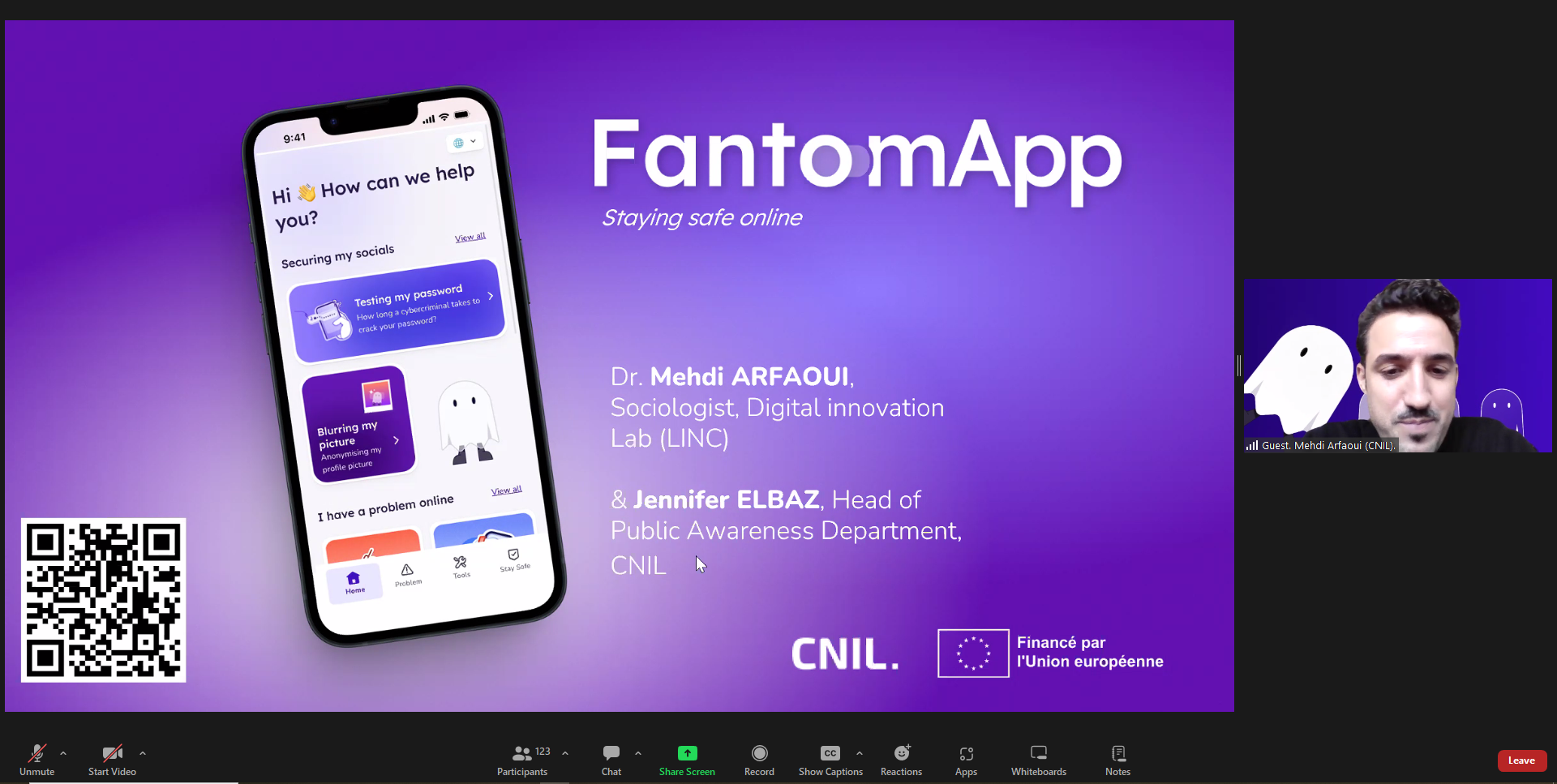
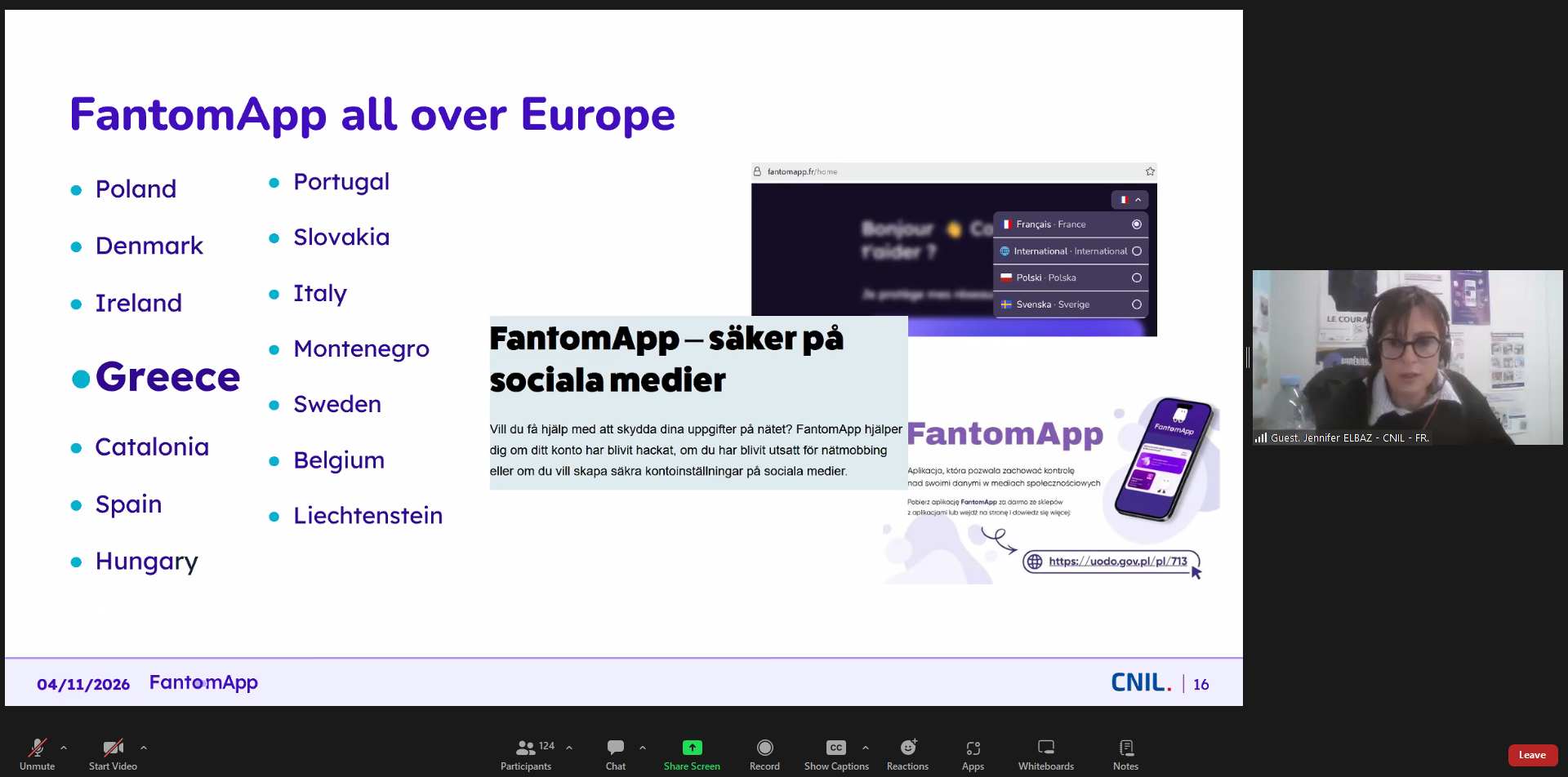
Finally, Jennifer ELBAZ, Head of Public Awareness Department, CNIL & Dr. Mehdi ARFAOUI, Digital sociologist | Digital innovation Lab LINC of the CNIL presented The FantomApp project, outlining its development, its rationale and functionalities. The speakers explained that “FantomApp is an application designed for young people aged 10–15 to help them better protect their personal data and privacy on social media. Developed in collaboration with adolescents, the application provides accessible guidance and practical tools to strengthen account security, manage privacy settings, understand data protection rights and respond to online risks. The initiative adopts a youth-centered, participatory approach, encouraging young users to develop safer digital habits and take greater control of their online presence”.
In his closing remarks, Dr Konstantinos Limniotis (HDPA) summarized the main conclusions of the workshop, highlighting the importance of the byRisk project's results and the practical tools developed to support greater awareness and more effective assessment of personal data protection risks. He also emphasized the value of international cooperation and the exchange of good practices in addressing emerging data protection challenges. He concluded by thanking all speakers and participants for their contributions and active participation.
- All presentations are available here
-
Opening – Welcome speeches
Georgios Batzalexis,
President of the Hellenic Data Protection Authority, Honorary Judge of the Supreme Court of Civil and Penal Law
Dr. George Rousopoulos,
Acting General Director of the Hellenic DPAThe byRisk project
Moderator: Dr. Vasilis Zorkadis, former General Director, Hellenic DPA«The wide notion of risk – A new risk taxonomy».
Dr. Konstantinos Limniotis,
Department of Research and Studies, Hellenic DPA«Design and development of the byRisk tools».
Dr. Nikos Dellas,
ICT ΑΒΟVO«Demonstration of the (by)Risk Awareness Tool for the general public».
Dr. Efrosini Siougle,
Head of Advisory and Compliance Department
Kyriaki Karakasi,
Legal Specialist, Hellenic DPA«Demonstration of the (by)Risk Assessment Tool for the SMEs».
Georgia Panagopoulou,
Head of Audits and Security, Hellenic DPA«Training programs and assessment of the tools».
Costas Lambrinoudakis,
Professor at the Department of Digital Systems, University of Piraeus, Member of Hellenic DPAThe international experience – Other initiatives (Part I)
Moderator: Dr. Elias Athanasiadis, Head of Communications and Public Relations, Hellenic DPA«DAAZ & LEONORA: Building Digital Competences for a Trusted Digital Society».
Jérôme Commodi,
Head of Digital Literacy, CNPD (Luxembourg DPA)«Making data protection work for business: Compliance, Legal Certainty and Transparency».
Greet Gysen,
Head of Sector, Information and Communications, EDPB«PQC Maturity Assessment for SMEs».
Dr. Prokopios Drogaris,
Cybersecurity expert, Deputy DPO, ENISAThe international experience – Other initiatives (Part II)
Moderator: Dr. George Rousopoulos, Acting General Director, Hellenic DPA«SME-related activities of the Hungarian Data Protection Authority».
Dr. Julia Sziklay,
Vice President of the Hungarian Data Protection Authority and AWARE Project Coordinator«PrivacyPRO Project».
Andrej Tomšič,
Deputy Information Commissioner of the Republic of Slovenia«The FantomApp project».
Jennifer ELBAZ,
Head of Public Awareness Department, CNIL
Dr. Mehdi ARFAOUI,
Digital sociologist | Digital innovation Lab LINC of the CNIL